

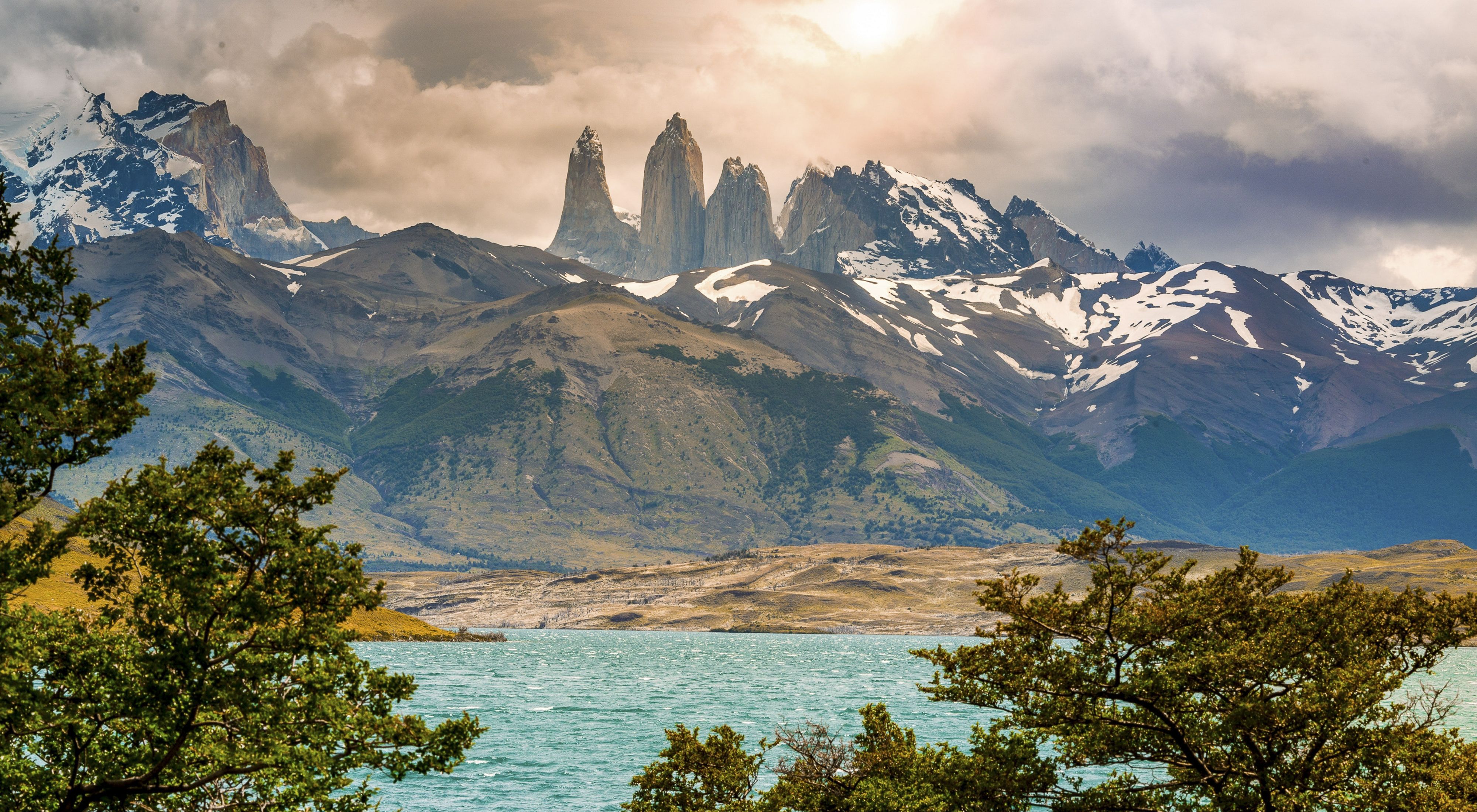
We’re facing two existential crises: climate change and rapid biodiversity loss. Reversing these crises requires protecting and sustainably managing our ocean, land and fresh water.
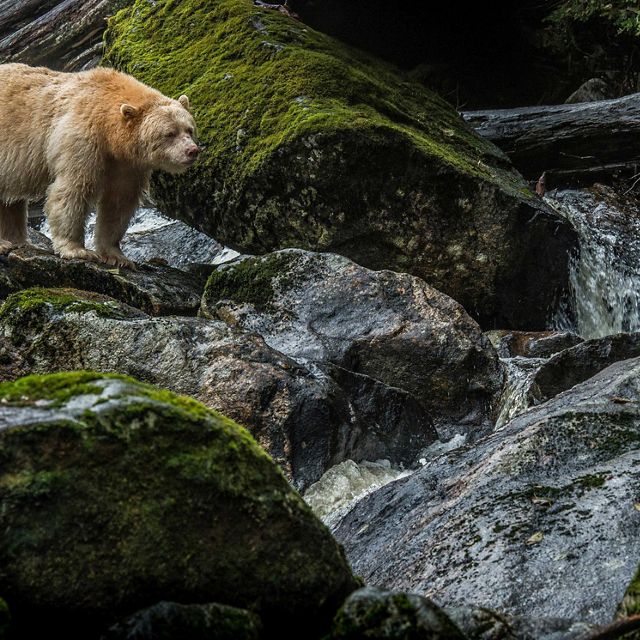
Partnerships
Enduring Earth
Enduring Earth is an ambitious collaboration that works alongside nations as they accelerate and amplify conservation for a more sustainable, prosperous future for people and planet.
Program Overview
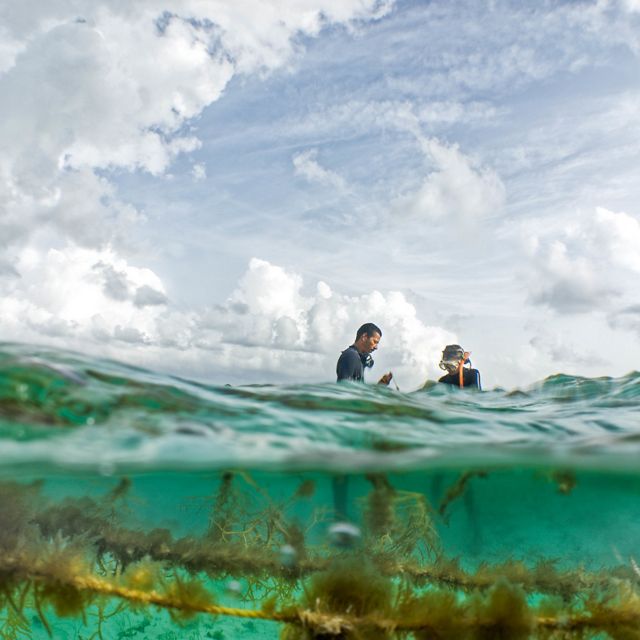
Nature Bonds Program: Unlocking Funds for Conservation and Climate Action
TNC’s Nature Bonds Program combines debt refinancing, science, planning and policy to help countries protect ecosystems and support communities.
Program Overview
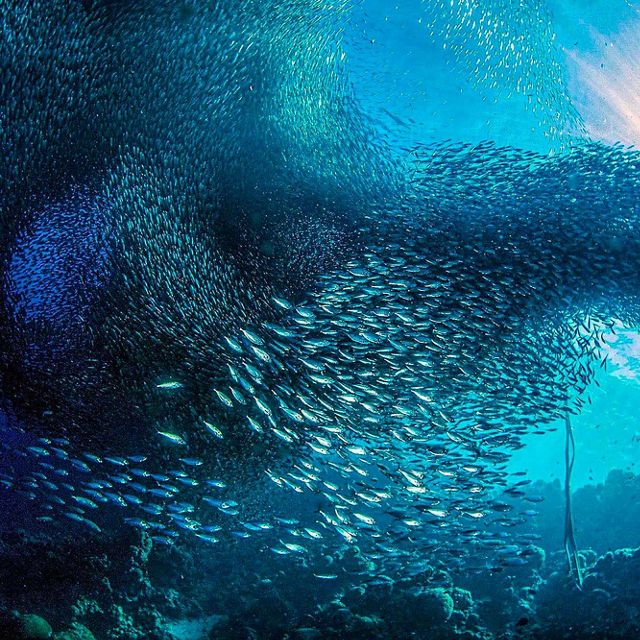
Why we’re committing to 30x30: Protect 30% of land & water by 2030
Our future depends on protecting 30% of the planet’s oceans, lands, and freshwaters by 2030 in the biggest conservation commitment the world has ever seen.
Report
Bold Pathways to 2030
It’s amazing what a year can bring. A global framework for nature. An inspiring array of projects and initiatives. Our “Protect” annual report has the latest.


Blog
We Must Save Fresh Water to Save Ourselves
The Nature Conservancy joins others in pressing for urgent stewardship of our world's precious fresh water.
The science is clear. We must radically scale up our protection efforts around the world. It’s now or never. Our best hope for a healthy and resilient planet is to protect at least 30% of lands, fresh water and ocean by 2030.
Protecting 30% by 2030
More than 100 nations support this goal. For greatest success, we must protect places that are:
-
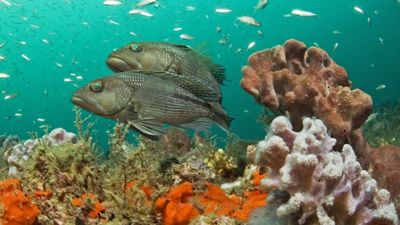
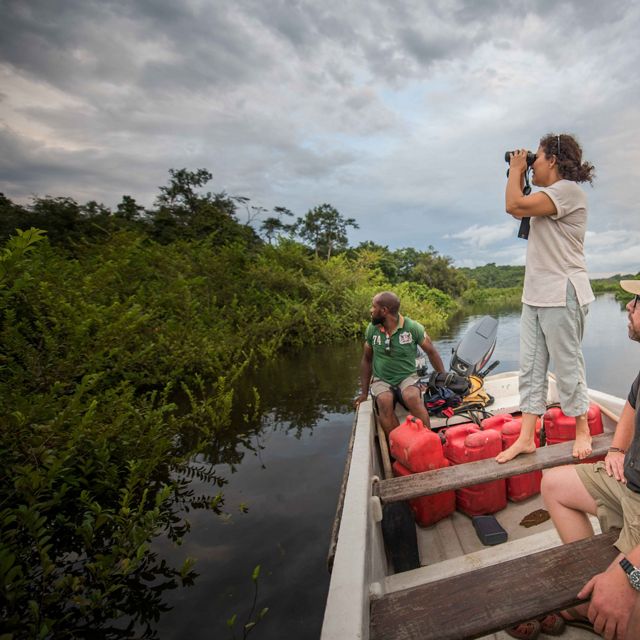
Representative of the diversity of life on Earth
-
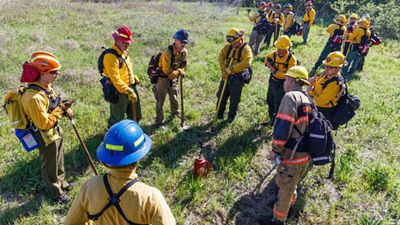
Effectively managed
-
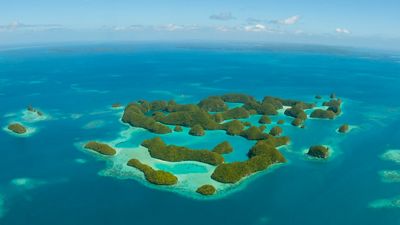
Durably financed
-
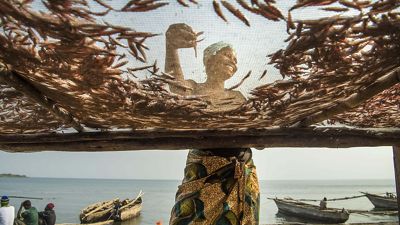
Inclusive of and equitably benefiting stakeholders and rightsholders


By 2030, TNC aims to conserve:
-

650M
650 million hectares (1.6 billion acres) of healthy land
-

1M
1 million kilometers (621,000 miles) of river
-

30M
30 million hectares (74 million acres) of lakes and wetlands
-

4B
4 billion hectares (9.9 billion acres) of ocean

Feature
Inspiring the World Through Action in Gabon
Determined to protect 30 percent of its terrestrial, freshwater and marine habitats, Gabon is emerging as a conservation leader.
How we take action on ocean, land and freshwater conservation
TNC is catalyzing a full range of ocean, land and freshwater protection efforts with conservation finance, science and policy work. We are at the forefront with our partners in delivering at-scale protections and the necessary financing. We are deeply committed to supporting the ambitions and rights of communities and Indigenous Peoples and the contributions their voices, choices and actions make to conserving the diversity of life on Earth.
Some of our most innovative strategies include debt conversion, including Blue Bonds, and collaborating with other non-profits to accelerate Project Finance for Permanence (PFP) mechanisms through Enduring Earth. This work strengthens nature’s ability to save biodiversity and ourselves.
Global Insights
Check out the latest perspectives, research and tools that inform how we protect land and waters and approach environmental challenges.

Featured Stories
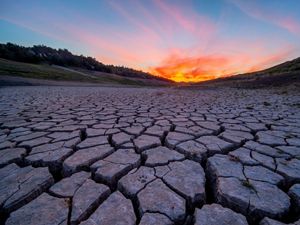
The Imperative for Durable Freshwater Protection
Freshwater ecosystems are some of the most threatened on Earth—here’s how we change that.
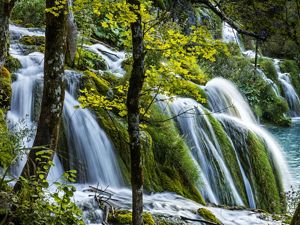
We Must Save Fresh Water to Save Ourselves
The Nature Conservancy joins others in pressing for urgent stewardship of our world's precious fresh water.
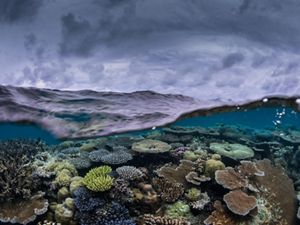
The Survival Secrets of “Super Reefs”
As the world's coral reefs rapidly decline, experts from The Nature Conservancy, Woods Hole Oceanographic Institution and Stanford University race to protect the most resilient of them.
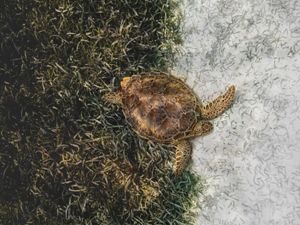
How Belize is Transforming the Caribbean
Belize just committed to protecting 30 percent of its ocean territory, with the support of the world’s largest debt conversion for marine conservation to date.